
frosted glass suppliers
Understanding Dial Snap Gauges Key Features and Applications Dial snap gauges are precision measurement tools widely utilized in manufacturing and engineering processes. Their design and functionality offer a direct means of assessing the dimensions of various components, ensuring that they meet the required specifications and tolerances. This article will explore the features, working principles, and applications of dial snap gauges, highlighting their importance in quality control and manufacturing efficiency. What is a Dial Snap Gauge? A dial snap gauge is a mechanical measuring instrument equipped with a dial indicator, which allows users to measure the thickness or diameter of a component accurately. The device typically consists of two arms that are used to snap around the part being measured. When the arms contact the component, any deviation from the desired measurement is displayed on the dial gauge, giving instant visual feedback to the operator. The dial indicator usually features a needle dial, which rotates as the arms close around the part. The position of the needle indicates whether the measured dimension is within acceptable tolerances. Unlike digital gauges, dial snap gauges provide a tactile and visual means of measurement, which many operators prefer for its simplicity and reliability. Key Features of Dial Snap Gauges 1. Measuring Range Dial snap gauges come in various ranges, accommodating different sizes of components, from delicate parts to large machinery components. 2. Calibration Regular calibration is essential to maintain accuracy. Most dial gauges are designed to be recalibrated easily, ensuring consistent measurement over time. 3. Durability Constructed from high-quality materials, these gauges are robust enough to withstand the rigors of industrial environments. Their resistance to wear and damage is crucial for long-term usage. 4. User-Friendly Design The straightforward mechanism of operation allows both experienced machinists and beginners to use the tools effectively without extensive training. 5. Cost-Effectiveness Compared to digital measuring devices, dial snap gauges are often more affordable, making them an attractive option for many businesses, particularly small to medium-sized enterprises. How Dial Snap Gauges Work To use a dial snap gauge, the operator first positions the gauge around the part to be measured. As the arms close, they exert a slight pressure against the surface, which ensures accurate contact without damaging the component. The reading from the dial then indicates whether the part's dimension fits within the specified limits . dial snap gauge One of the primary advantages of using a dial snap gauge is the immediate feedback it provides. Unlike some other measuring methods that may require extensive setup or calculation, the dial gauge offers quick verification, facilitating faster production cycles. Applications of Dial Snap Gauges Dial snap gauges are prevalent across various industries, including 1. Manufacturing They are used to measure machined parts, ensuring that each component is manufactured to the correct specifications, which is crucial for assembly operations. 2. Quality Control In quality assurance processes, dial snap gauges are invaluable for checking the tolerances of different components. This helps to catch defects early, reducing waste and improving product quality. 3. Automotive The automotive industry relies heavily on precision measurements for safety-critical components. Dial snap gauges are essential for verifying tolerances in brake systems, engine components, and more. 4. Aerospace In aerospace manufacturing, where precision is paramount, dial snap gauges help ensure that parts meet stringent safety and performance standards. 5. Medical Devices The production of medical devices often involves components with tight tolerances, making dial snap gauges essential for maintaining compliance with regulatory standards. Conclusion Dial snap gauges are indispensable tools in the realm of precision measurement. Their simple yet effective design, combined with their durability and accuracy, makes them a favorite among engineers and quality control professionals. Whether in manufacturing, automotive, aerospace, or medical fields, these gauges play a critical role in ensuring that components meet the necessary specifications and standards. As industries continue to demand higher precision and quality, the relevance of dial snap gauges will only increase, solidifying their status as a vital instrument in modern manufacturing processes.
about
frosted glass suppliers
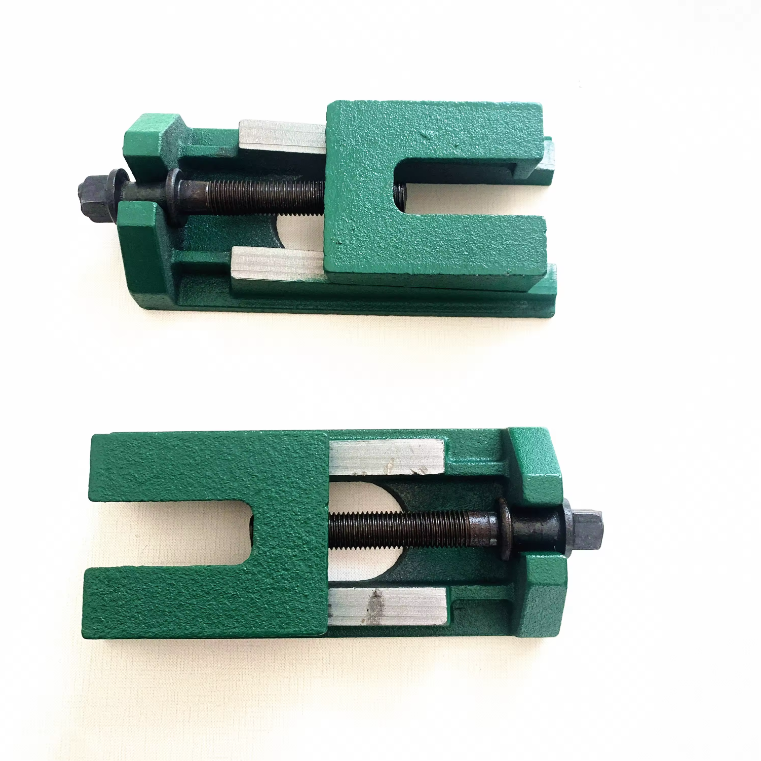
Materiali dei Pannelli Antivibranti Un’Analisi Approfondita I pannelli antivibranti sono elementi fondamentali in molte applicazioni industriali e commerciali. La loro funzione principale è quella di ridurre le vibrazioni trasmesse da macchinari e attrezzature, contribuendo a migliorare la qualità del lavoro e a proteggere l'integrità strutturale degli edifici. Questo articolo esplorerà i materiali utilizzati per la realizzazione di questi pannelli e i loro vantaggi specifici. Materiali dei Pannelli Antivibranti Un’Analisi Approfondita Un altro materiale frequentemente utilizzato è il poliuretano. I pannelli in poliuretano offrono una maggiore durata rispetto alla gomma e presentano ottime proprietà di smorzamento delle vibrazioni. Grazie alla loro leggerezza e resistenza, questi pannelli possono essere impiegati in una vasta gamma di applicazioni, dalle attrezzature pesanti alle macchine delicate. vibration pad material Anche i materiali compositi stanno guadagnando popolarità nel settore antivibrante. Questi materiali, costituiti da una combinazione di fibre e resine, offrono prestazioni eccellenti in termini di isolamento acustico e smorzamento delle vibrazioni. Sono particolarmente utili in situazioni in cui è richiesto un ridotto peso complessivo senza compromettere la robustezza. La scelta del materiale per i pannelli antivibranti dipende da vari fattori, tra cui il tipo di macchinario, l'intensità delle vibrazioni da ridurre e l'ambiente di utilizzo. È fondamentale considerare anche la temperatura e l'umidità, poiché questi fattori possono influenzare le proprietà dei materiali. In conclusione, i materiali utilizzati per i pannelli antivibranti giocano un ruolo cruciale nel miglioramento della qualità delle operazioni industriali. Sia che si tratti di gomma, poliuretano o materiali compositi, ciascuno di essi presenta vantaggi specifici che possono essere sfruttati per ottimizzare l'efficienza e la sicurezza nelle applicazioni quotidiane. Investire in componenti di alta qualità può portare a una significativa riduzione delle vibrazioni e prolungare la vita utile delle attrezzature.
-

High quality industrial productsagement

High quality industrial products
View Details -

Meet the diverse needs of customers

Meet the diverse needs of customers
View Details -

Strict quality control

Strict quality control
View Details -

Top raw materials

Top raw materials
View Details -

Trusted supplier

Trusted supplier
View Details
Our application


news and information

Water Cut Off Valve - Comprehensive Guide and Best Practices
Understanding Water Cut-Off Valves Their Importance and Functionality Water cut-off valves are essen

Vanne de contrôle à boule de 4 pouces
La vanne à clapet de 4 pouces un élément essentiel pour la régulation des fluides La vanne à clapet

Valve Selection Guide for Industrial Applications
As a leading wholesaler in industrial equipment, Storaen (Cangzhou) International Trading Co. unders
 English